
If you’re talking with family members, friends or work colleagues about money, the chances are credit is likely to come up in the conversation. Many people talk about their credit being hurt or are especially proud of having great credit, but what is a credit score and why does it matter? It’s important for your financial future that you understand.
The Credit Score Basics
A credit score is a three digit number, but while it may seem insignificant, it has the potential to impact many aspects of your day to day life. This is further complicated, as we don’t have just one credit score.
When people are talking about their credit, they are actually speaking about just one of their scores. There are three major credit bureaus; Equifax, Experian and Transunion. Each one of the bureaus gathers and records consumer financial information, and these details are used to calculate your credit scores.
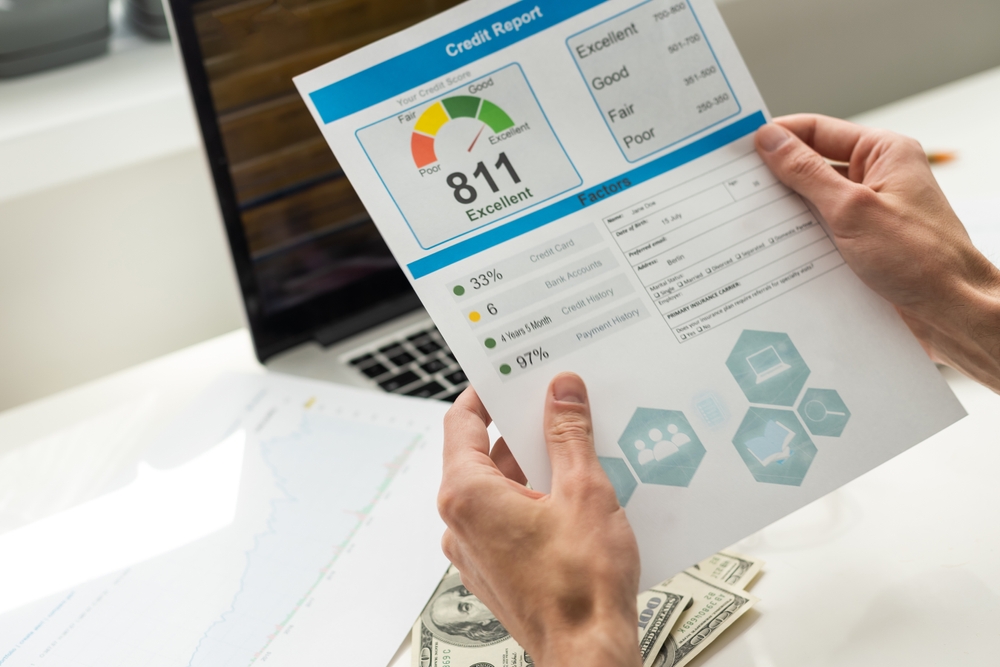
Credit scores can range from 300 to 900 or more, depending on the credit score model. Each time you apply for a financial product, the financial institution will request your credit score, but which score they use varies. FICO is considered to be the industry standard and it has a scoring range of 300 to 850. If you have a score of 670 or higher, you’re considered to have a good or excellent score. VantageScore is another popular scoring model, and it requires a score of 600 or higher for good credit.
How a Credit Score is Calculated
Each time you make a payment for your credit card bill, auto loan or other credit account, whether you’re paid on time, the amount you paid and other details are recorded and reported to the major credit bureaus. The bureaus compile this information to produce a credit report and calculate credit scores. Each of the credit scoring models have their own methods of calculating scores, but there are common factors.
Payment History
This is a big consideration for all of the credit scoring models. Essentially, it is a record of the payments you’ve made on your credit accounts and whether you made the payments on time. Your payment history helps potential lenders to feel confidence about whether you would pay back a debt if you were approved for a new account. It provides insight into how well you’ve managed your previous credit obligations and includes reporting for credit cards, mortgages, auto loans, personal loans and other types of debt.
Your payment history shows missed or late payments, collection information and if you have had any bankruptcies. Generally, the credit scoring models consider how much you owe, any late payments and any recently missed payments.
Since a payment history is a large part of the credit scoring models, younger people with no history of debt repayment can struggle to obtain credit. This can be a little bit of a catch-22, as they can’t be approved for credit as they have not previously had any credit.
Length of Credit History
This is a little different from your payment history, as it considers how long you’ve held credit accounts and how many new credit accounts you have recently opened. This is another reason why a younger person may struggle to get credit.
The length of a credit history is typically calculated as an overall average. So, when you open a new credit account, it will decrease your credit history average.
For example, if you’ve had a credit card for 16 years and another for 5 years, you have an average credit history length of 10.5 years. But, should you open a new credit account, the 21 years is averaged across three accounts, bringing it down to 7 years. So, while it is still impressive that you’ve responsibly managed an account for 16 years, your score will take a little bit of a hit.
Credit Utilization Ratio
Many people find this term a little confusing, particularly as it is a percentage amount. To calculate your credit utilization, you need to look at the total outstanding balance of all your credit accounts as a percentage of your total credit limits.
As an example, if you have just one credit card with a $1000 limit and $500 outstanding balance, your credit utilization is 50%. However, if you have three credit cards each with a $5,000 limit and a combined outstanding balance of $7,500, your credit utilization would still be 50%. So, it is not a reflection on how much debt you have, but rather how much of your available credit you’re using.
A low credit utilization shows a potential lender you’re responsible with how you use your credit and you don’t “max out” your accounts. In an ideal world, your credit utilization would be extremely low, but if you want to have a good or excellent score, you should aim to keep your credit utilization under 30%.
Types of Credit
This can seem a little odd, but you can get a few extra points on your credit score by having some credit variety on your credit report. The credit score calculation models typically reward consumers with a variety of credit types on their report as it shows responsible handling of both revolving debt and installment debt.
Although this may not seem important if you make all your payments on time, a potential lender likes to see that you can handle different types of debt. So, having a balance of personal loans, or auto loans with credit cards can be beneficial. If you have a credit card and a loan, you are likely to have a higher score compared to just having two credit cards.
Credit Inquiries
Each time you apply for a new credit account, the lender needs to check your credit report before they can make an approval decision. When your credit is run, it is referred to as an inquiry. There are both hard and soft inquiries.
Soft inquiries are a more basic check that offers a simple overview of your finances. This type of inquiry has no impact on your credit score and it is often used for pre-approval, but it can also be used by insurers and potential landlords to check your financial responsibility.
Hard inquiries are more detailed. The potential lender is checking your full credit report and this inquiry is logged on your credit file. While in and of itself initiating a hard inquiry is not a big deal, it can cause a slight drop in your credit score. This is usually only a few points, but if you’re on the cusp between credit score ratings, it could have an impact.
The main issue with credit inquiries is that they can be a red flag for potential lenders. If you’ve had multiple hard inquiries over relatively short periods of time, it could indicate that you’re desperate for more credit. For this reason, it is always a good idea to avoid successively applying for credit products, even if you’ve approved for some of them.
Why Does Your Credit Score Matter?
Since there are so many things that go into calculating a credit score, you may be left wondering whether you have any control over it and why it matters anyway. The simple answer is that your credit score has the potential to impact almost anything in your day to day life.
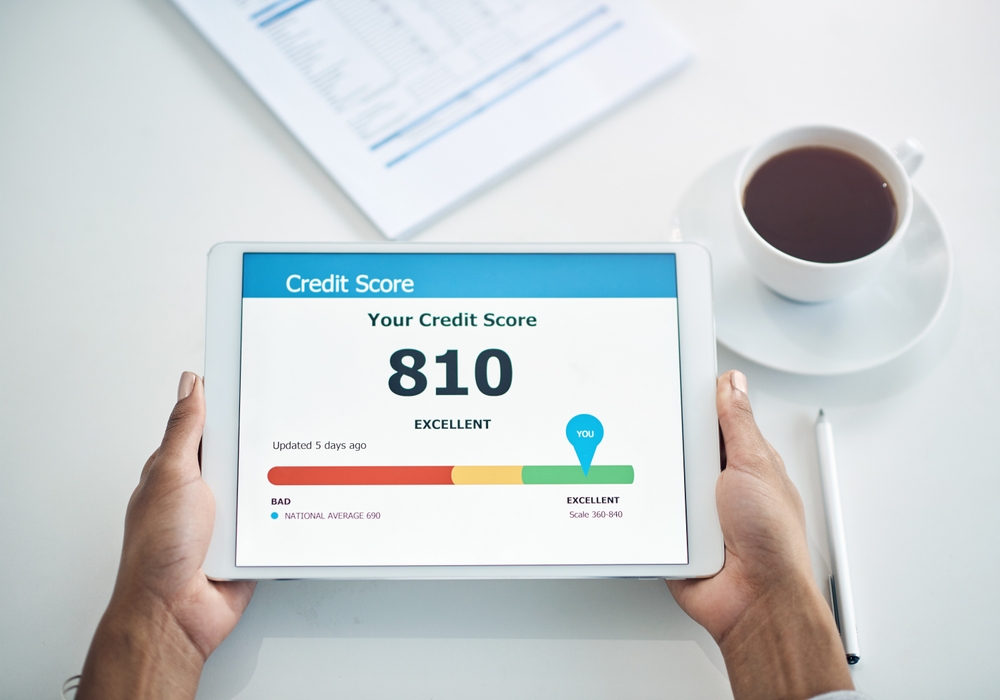
Potential lenders use your credit score to calculate the interest rate that will be applied to a new credit card or loan. If you’ve ever wondered why you saw a great rate on a poster for a personal loan, but you were offered a higher rate, your credit score is the reason. Lenders tend to reserve their advertised rates for clients with excellent credit.
Rates are calculated to reflect your risk profile. The lender needs to have confidence that you will meet the repayment obligations and make your payments with no issues. If you have excellent credit, you have a track record of responsibly handling debt and are likely to be approved for an attractive rate. On the other hand, if your credit shows some issues, the lender will have less confidence and increase the rate to cover the cost of potential issues.
Unfortunately, even a rate difference of one or two percent can have massive financial implications in the medium to long term.
For example, if you’re interested in purchasing a home and would need a mortgage of $250,000 over 30 years, with a FICO score of 620 on a fixed rate, you could pay up to $161 more each month compared to if your FICO score was 670. This is not only a significant amount for your monthly costs, but over the entire 30 year term, you would end up paying over $57,000 more in interest charges (example rates, not reflective of actual savings).
Even if you are not interested in taking out a new credit card, auto loan or mortgage, having a less than great score can limit your options. There are numerous circumstances when your credit is run, even when you’re not applying for a new credit product.
For example, if you’re looking to open a new bank account, if your credit isn’t great, the banking institution may not approve your application or only offer a very basic type of account.
When you’re shopping for home, auto or other types of insurance, the insurer will refer to your credit. There are insurance credit scoring models which help insurers determine risk profiles. If you have a score that does not suggest financial responsibility, the insurer may assume you’re a careless driver or won’t manage your home responsibly.
If you’re interested in renting a home, your potential landlord is likely to run your credit to check if you’re financially responsible. So, if you have good or excellent credit, you’re more likely to get the lease compared to another applicant who has spotty credit.
Having good credit can make life a little easier in a variety of ways. You’ll have access to a great variety of financial products, qualify for lower rates when you need to borrow money and it will be easier to secure a home.
Improving Your Score
Now you can appreciate why a credit score matters, you need to think about how you can improve your score. The first step in this process is to check your current score. Each month, when new data is added to your credit report, your score will automatically adjust. This means that it can get a slight bump when positive information is recorded, but it can also drop if you have any negative activity.
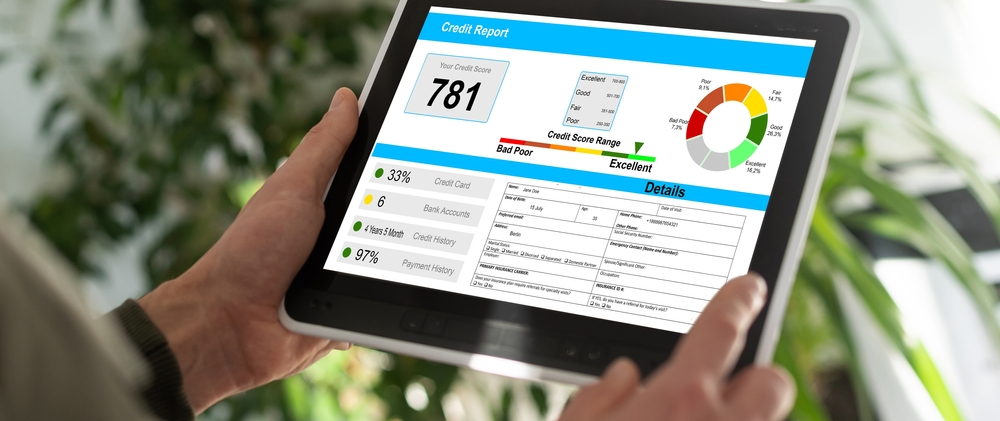
Fortunately, it is quite simple to check your current score. While the major credit bureaus provide free access to your credit report, this is only once per year. It is better to look for a website, app or platform that provides regular access to your scores, so you can monitor any changes. There are a number of budgeting apps that offer this service and you may even find it is included in your banking package with your checking and savings accounts. These can be very innovative tools that even include predictive scores, so you can check what happens to your score should you miss a payment or take out a new loan.
Once you know your score, you’ll have a basis for your future plans and if your credit score needs a boost, there are several things that you can do.
Work on a Positive Payment History
We’ve already discussed the importance of your payment history, so if you have a limited credit history or you’ve had some issues in the past, you can see a significant difference in your scores.
If you already have credit accounts, you need to focus on making your payments on time every month. This will take some time, but after several months, it can boost your score.
If you struggle to remember bill due dates for your accounts, consider setting up auto payments. This will pay the minimum amount due automatically from your bank account by the due date. You can avoid any late payments or charges and make an additional manual payment at other times of the month.
For those with no credit history, it will be a little trickier. Since you have no financial products reporting activity to the credit bureaus, you need to think about how to get some. This could be a credit card, which would allow you to make a few purchases and pay the bill every month. In this scenario, you are unlikely to get approved for a card with lots of benefits, but there are many card issuers who offer credit building card options. These tend to be quite basic cards, but the purpose is not to get perks, but rather focus on having payment activity recorded every month.
If you can’t qualify for a regular basic card, you may need to look at secured credit cards. These cards require a deposit to act as security for the account. The credit card issuer can retain the deposit for use should you default on the account. With a secured card, you can use it to make a few purchases each month and then pay your bill on time. You need to check that the card issuer reports activity to all three major credit bureaus for maximum credit boosting benefit. You may even find that the card issuer reviews your account after a number of months and will automatically upgrade you to a standard card.
Watch Your Credit Utilization
As we discussed earlier, your credit utilization is an important part of the credit scoring calculations, so you need to try to get your ratio as low as possible. Take a look at your outstanding debt and your current credit utilization, trying to pay down any accounts where possible.
If you get a new card that has a good limit, try to avoid the temptation of overspending. Running up a balance on the card will not only increase the amount you need to pay in bills each month, but it will increase your credit utilization.
Try to develop a strategy for paying down your debt. If you have good credit, you may qualify for a balance transfer credit card. This would provide a low or 0% APR period and you can transfer the balances from your other cards to this account and minimize the amount of interest you’ll pay.
Avoid Unnecessary Applications
As your credit starts to improve, you’re likely to receive numerous deals and offers advertising new credit products, but you need to remember that hard inquiries can have an impact on your credit score. Even if your application is approved, the hard inquiries are logged on your credit report.
Think about whether the new credit product would benefit your long term financial health or if you have any financial decisions in the near future that could be affected by your application. In some cases, a new financial product can be helpful.
For example, if you get a new credit card with no annual fee, you could get the card and avoid using it, which would improve your credit utilization or as we just discussed a balance transfer card can make paying down your debt easier. On the other hand, getting a new card simply because it has some interesting freebies and an annual fee that is waived in the first year can make your finances more complicated.