Botox is a beauty treatment that has become increasingly popular since its introduction in the 1970s. Around 9 million botox procedures were carried out globally in 2023. Those considering botox treatments are naturally apprehensive about what they can expect. So, it’s important to understand what botox is, how it’s used and what you can expect as a first-time botox user.

A Basic Botox Primer
The name botox is derived from botulinum toxin and it’s actually a brand that is synonymous with this type of beauty treatment. So, even though you’re getting a botox procedure, the product that’s used may be called something else. For example: two popular botox alternatives are Dysport and Jeuveau botulinum.
The botulinum toxin is used in small quantities to cause temporary paralysis to the facial muscles. Many people believe that the botox treatment plumps up their skin to create a smoother and fresher appearance. This is incorrect, the toxin prevents movement in the targeted facial muscles by the creation of a block in communication between the nerve and the muscle. Because the muscle cannot contract, fine lines are smoothed and this creates the fresher skin appearance.
The most concerning aspect of this entire procedure is that the name is partially derived from the word toxin. But, it’s important to understand that people are regularly exposed to toxins and they are not all a serious health hazard. One of the best examples is alcohol; a few drinks can relax us but it causes a disruption in our brain cells that makes us feel wobbly. Botox is considered to be safe, it’s FDA approved and during a procedure, the doses are small and targeted. Any experienced professional can help you to achieve a youthful aesthetic appearance with no risk to your immediate to long-term health.
Botox and Its Alternatives
| Feature | Botox | Dysport | Xeomin | Jeuveau | Dermal Fillers | Microneedling | Ultherapy |
|---|---|---|---|---|---|---|---|
| Primary Use | Wrinkle reduction | Wrinkle reduction | Wrinkle reduction | Wrinkle reduction | Volume restoration & wrinkle filling | Skin rejuvenation | Skin tightening |
| Active Ingredient | Botulinum toxin type A | Botulinum toxin type A | Botulinum toxin type A (no additives) | Botulinum toxin type A | Hyaluronic acid or other fillers | Collagen stimulation | Ultrasound energy |
| Onset of Results | 3–7 days | 2–5 days | 3–7 days | 2–4 days | Immediate | Gradual (weeks) | 2–3 months |
| Duration of Results | 3–4 months | 3–4 months | 3–4 months | 3–4 months | 6–18 months | Long-term with maintenance | Up to 1 year |
| Best for | Fine lines, forehead wrinkles, crow’s feet | Larger treatment areas like forehead & crow’s feet | People resistant to Botox | Younger patients or those new to Botox | Deep wrinkles, volume loss | Acne scars, fine lines, skin texture | Sagging skin, jawline tightening |
| Pain Level | Mild | Mild | Mild | Mild | Mild to moderate | Moderate | Mild to moderate |
| Side Effects | Bruising, swelling, headache | Bruising, swelling, headache | Bruising, less risk of resistance | Bruising, temporary redness | Swelling, bruising | Redness, sensitivity | Swelling, mild discomfort |
| Downtime | None | None | None | None | Minimal | 24–48 hours | Minimal |
How to Prepare for a Botox Treatment
As a first-time botox user, you will need to prepare yourself for your first treatment. To help you to overcome some of your anxiety, there are six things that you need to remember.
Schedule the Consultation
Doctors and clinics recommend that new botox users have an initial consultation before they undergo a procedure. This gives you the perfect opportunity to ask any questions that you have and state your expectations. This is important because the healthcare provider needs to know that you have realistic goals.
A consultation can be used to create your treatment plan which will include any other concerns that you may have. Many patients have anxieties around needles and they may be taking other medications and supplements that could interfere with the treatment. The doctor may recommend that you discontinue certain regular remedies that you may be taking around the scheduled procedure.
Avoid Anti-Inflammatories
Patients can experience discoloration and bruising for some time after the botox treatment if they are taking anti-inflammatory medications. This includes ibuprofen and these types of medications should not be taken in the week leading up to the procedure. If you have drugs that are medically necessary, make sure your doctor is aware of this in the initial consultation.
Facial Preparation
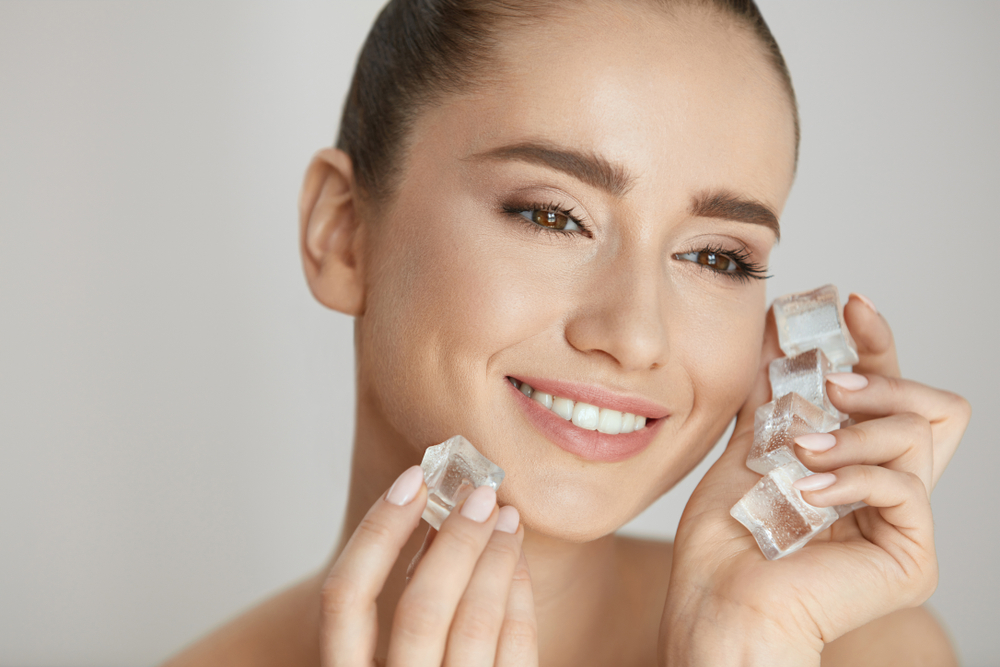
In the days leading up to the botox procedure, you should avoid chemical peels, facial sun tanning and facials. Icing your face prior to the treatment can help with bruising and swelling that may occur later.
Certain clinics may recommend arnica which is a natural herb that can be applied topically to your face. This can also help to reduce bruising after the botox procedure.
Avoid Red Wine and Garlic
Although botox treatments are minimally invasive, there can be facial bruising. This can be exacerbated if red wine and garlic are consumed in the week leading up to the treatment.
Make Exercise Adjustments
Most patients can get back to their daily activities immediately after their botox treatment. But, it’s a good idea to avoid any strenuous exercise for at least four hours. So, if you can’t miss a daily workout, go to the gym before the botox treatment.
Relax
Make sure you plan for some relaxation after your botox treatment. This is especially important if you’re a first-time botox user. Remember that there may be some bruising for a while and many people take some time to relax at home.
The Botox Procedure
As you might expect, many first-time botox patients are nervous when they arrive for their procedure. To alleviate anxiety, most clinics and treatment centers that carry out this procedure are set up to create a calm and relaxing atmosphere. Once you’re booked in, you will usually be directed to a comfy waiting area until the doctor is ready to see you. Then you will be shown into the treatment area and directed to sit down for your procedure.
At this point, you may be offered topical cream to numb the treatment area. This may seem strange when we’re talking about needles, but many patients don’t bother with the cream. The botox needle is extremely thin and it’s unlikely that you will feel it.
The extent of the treatment and the targeted area size will determine how many botox injections you will need. There may be 10-15 injections or there could be more. Your doctor will have given you a ballpark figure during the initial consultation. A higher number of injections will increase the duration of your appointment.
When the botox is injected, there may be visible red markets and bumps within the targeted area. These look a little like small insect bites and they typically settle down with no intervention. If they are causing irritation, they can be cooled with a cold compress that offers some relief. Most botox treatments are pretty quick and it should be completed within 15 minutes or less.
Botox Post-Treatment
After the botox procedure, you will be advised that you need to avoid lying down for at least six hours to prevent displacement. It’s also advisable to avoid wearing any makeup for at least 24 hours after the treatment. Because makeup is a foreign substance it can enter the injection sites and interact with them. This may lead to swelling, redness, discomfort and in extreme cases infections.

It’s important to keep your skin clean and the best approach is a gentle cleanser. If you typically use a more aggressive facial cleanser, you should avoid using it for at least a full day. Avoid any exercise for the remainder of the day that could raise your blood pressure and increase inflammation.
Any redness or minor swelling that may appear at the injection sites will usually disappear within a day. Some people experience a tight feeling in the treated area and this is normal. This feeling is caused by the toxin as it affects nerve endings causing them to relax around the targeted facial muscles.
There won’t be much of a reduction in the wrinkles and lines on the face at this time. Botox doesn’t produce instant results and you will need to restart your skincare routine after 24 hours. But, you shouldn’t use skin peels or exfoliants for a few days and be gentle around the injection sites.
After around 4 days, you may start to notice some subtle facial changes. There’s likely to be reduced movement on frown and forehead lines due the gradual botox effects. The muscles that have created those lines are beginning to relax. The fine lines will soften and your skin will develop a smoother appearance. The exact reaction times can vary depending on the individual and you may not see any changes in the first few days. So, you need to avoid intense exercise and heat exposure until the botox effects have taken place.
After a week, the full botox effects are likely to be apparent and there should be a visible reduction in fine lines and wrinkles. This is especially noticeable in forehead lines and crow’s feet. The facial muscles may feel like they are contracting as strongly as before, but this is normal and it can take some time to adjust to the feeling. Remember that this is how botox softens lines by relaxing muscles in the targeted areas.
Botox can take time to work, but if your treatment was combined with dermal fillers, the immediate effects can be dramatic. A botox treatment can take up to two weeks to notice the full effects as the toxin gradually works into the muscles. The muscle activity that causes wrinkles will decrease and your skin should look smoother and fresher.
A botox procedure will usually last 3-4 months, but the exact duration is determined by three factors: your metabolism, lifestyle and muscle activity. If you found botox to be a useful treatment you can schedule follow up visits to maintain your new look.
5 Botox Post-Treatment Tips
How you take care of your skin after the botox treatment is extremely important for a full and fast recovery. This is a well established cosmetic procedure and following these five simple post-treatment tips will help you to minimize unwanted effects.

Avoid Heat
Don’t take hot showers, avoid sunbathing and stay out of the sauna for the first 24-48 hours after your botox procedure. All forms of heat can shift the botox away from the injection sites leading to unexpected outcomes. Another danger of heat is that it may exacerbate any skin irritation that you’re experiencing.
Don’t Lie Down
The botox needs some time to settle and if you lie down in the first six hours after treatment it may shift. This can degrade the quality of the results leading to disappointment.
Minimize Physical Activity
The first day after botox treatment is a great time to rest and this can be frustrating for those that exercise on a daily basis. Switch to a gentle walk for the day to minimize inflammation and bruising risks.
Don’t Drink Alcohol
If you’ve followed our advice, you have not drunk alcohol for at least a week. But you should avoid drinking for at least 24 hours after your botox procedure. When you drink alcohol, you can raise the risk of bruising.
Check for Side Effects
Botox is safe, but those taking their first treatment may be unsure about how they should be reacting to the toxin. So, be mindful of redness, swelling and bruising that persists after the first few days. Some people even experience mild-flu symptoms and they may feel unwell. If you experience headaches or discomfort, contact the botox clinic immediately and seek medical advice.
FAQs
If you’re still anxious about botox procedures here are some frequently asked questions that may help to alleviate any remaining doubts you may have.
How Long Does it Take for Botox to Work?
There are no immediate effects, there can be early subtle changes in a few days, but the full effects take around 2-3 weeks to become noticeable. Around three weeks after the botox treatment you should notice that fine lines and dynamic wrinkles are smoother. The botox will relax the muscles to make your skin look smoother and fresher.
If you cannot see any noticeable results after the first two weeks, contact your botox clinic for guidance. It may be necessary to schedule a follow up botox treatment to make the changes you want.
How Long Will a Botox Treatment Last?
It’s important to understand that botox treatment is not a permanent solution and follow up procedures will be required. A botox procedure will usually be effective for 3-4 months depending on your metabolism, physical activity and lifestyle choices. That said, it is possible to extend the effects with regularly scheduled follow up treatments
Will the Botox Procedure Hurt?
When botox procedures are carried out by a qualified doctor or technician at a reputable clinic, they are considered to be safe. During the botox treatment, there should be little or no discomfort because the needles are very thin.
In fact, the majority of people that have botox treatments don’t even notice any sensations during the injections. But, if you have anxiety about needles and you are worried about the potential for pain, speak to the doctor. They can administer a cold compress or topical cream to the targeted area to numb the skin. This should completely remove any risk that you would notice the botox injections for extra peace of mind.
What are the Potential Side Effects?
Most cosmetic procedures have potential side effects and botox treatments are no exception. Choosing a reputable clinic and following their advice will minimize the risks. The most severe side-effects can be mild-flu symptoms and headaches.
Some people have dry or droopy eyes if they get any injections in the upper part of their face or around their eyes. Slight red bumps around the injection sites are fairly typical and some people may experience bruising and swelling. If you experience too much discomfort or the side effects persist beyond a few days, contact the botox clinic for advice.
When Should I Schedule Botox Treatment for a Special Occasion?
If you have a wedding or other special event to attend and you want smoother and fresher skin, you will need to time your botox treatment carefully. It can take up to three weeks for the full effects to be seen and a top up treatment could add a couple of extra weeks. If there are any problems, you’re going to need to have some time to correct them.
A first-timer should schedule at least one treatment before they plan botox treatments for special occasions. This will allow time to see how they react to the treatment and if the outcome meets their expectations for the special day. Ideally, the botox treatment should occur 4-6 weeks before the special occasion for the best results.
How Long Will a Botox Treatment Take?
This is a fast procedure that typically takes less than 15 minutes to finish. If the treatment area is larger or you have detailed requirements more injections may be needed. This can extend the overall treatment time.
How Do I Choose the Right Botox Treatment Center?
The best way to find a great botox treatment clinic is to ask your friends and family for a personal recommendation. If this isn’t an option in your area you will need to carry out some research on the local reputable practitioners and clinics. Take care, there are some less than reputable people working in the health and beauty industry. Take your time, visit consumer review websites, look for customer feedback and the BBB rating. Make sure that a prospective clinic is properly accredited and give them a call to ask any questions you may have.
Is Botox Right for You?
A botox treatment may sound like a scary prospect, but it’s a minimally invasive cosmetic procedure. When you sit down for your injections you may be surprised that you could be leaving the clinic in 10-15 minutes. Most people don’t even notice the injections and with care the potential for severe side effects is low. The changes to your appearance last around 3-4 months and follow up visits can repeat the process.