
Glasses can be a nice accessory, but they can also cause a number of issues. From the aesthetics of hiding part of your face behind the frames, to steaming up when you walk into a warm room from the cold outdoors, if you need to wear glasses, you can start to feel frustrated. However, there are options that can help you to leave the glasses behind. One such option is LASIK or Laser Assisted In Situ Keratomileusis, but you need to fully understand this procedure before contemplating it.
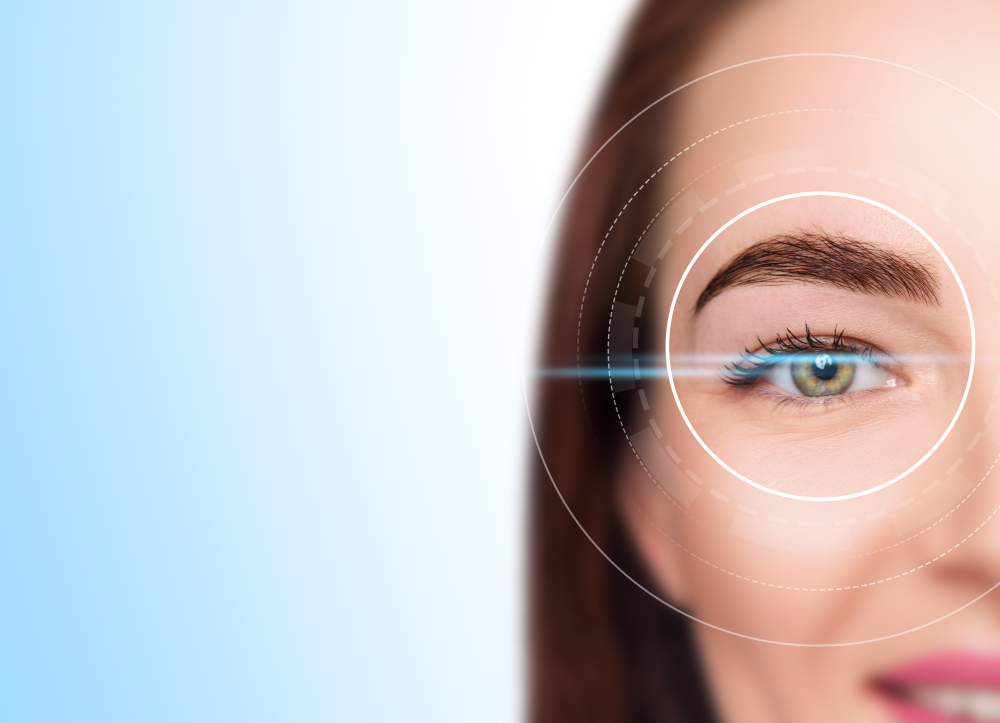
What is LASIK?
LASIK is a form of refractive surgery. The procedure involves using a laser to treat the vision issues that are caused by refractive errors. In order to see clearly, rays of light must be able to travel through the cornea and lens, which refract light to enable it to land on the retina. The retina then turns the light into signals which travel to the brain to become images. If your eye is unable to properly bend or refract light, you have a refractive error. Since light is not properly refracted onto the retina, vision is blurry and out of focus.
LASIK involves using a laser to alter the shape of the cornea, improving the way light rays can be focused on the retina, and thereby improving vision. The surgery may allow you to reduce the need to wear glasses or contact lenses, but in some cases, you could do without them completely.
LASIK can be an option for several types of vision problems.
Myopia
Commonly known as nearsightedness, myopia is a condition where your cornea has too sharp a curve or your eyeball is slightly longer than the typical. This causes the rays of light to be focused in front of the retina, which makes distant blurry out of focus. So, objects in the distance can appear blurry, but nearby objects should still be quite clear.
Hyperopia
Hyperopia or farsightedness occurs when the cornea is a little flat or the eyeball is shorter than typical. This causes the light to be focused behind the retina rather than on it, making near vision blurry.
Astigmatism
If you have an astigma, your cornea flattens or curves unevenly, which affects the focus of your distant and near vision.
Who is a Good Candidate for LASIK?
In order to have LASIK, you need to meet some surgery requirements. In addition to having a refractive error that can be treated with LASIK you need to meet a few conditions.
Be Aged 18+
Vision changes in adolescence make LASIK impractical, so ideally you will be over 21 before contemplating the procedure. At this age, your vision is more likely to have stopped any changes.
Have Minimal Prescription Changes
You should have your eyes checked regularly and to qualify for LASIK, your prescription should not have significantly changed much over the last year.
Have Healthy Corneas
Your corneas need to be healthy and thick enough to facilitate LASIK. You should also have generally good overall eye health.
There are some people who are not good candidates for LASIK. If you have the following issues, your ophthalmologist is likely to suggest other treatment options.
- Unstable or changing refractive error
- Severe dry eyes
- Too thin corneas
- Corneal disease or scarring
- Advanced glaucoma
- A history of eye infections
- Diabetes that is not well controlled
- Autoimmune disorders or a weakened immune system
- You participate in contact sports where there is a risk of a blow to the face
Additionally, if you are breastfeeding or pregnant, LASIK is not recommended. Hormone changes can impact your vision, which could impede the procedure.

Your ophthalmologist will discuss the procedure with you and whether you’re a good candidate. They will examine your eyes to check the overall health, measure your refractive error and take measurements of your cornea. This will determine your suitability and ensure that you don’t have any issues that could increase the risk of the surgery or make the outcome less predictable.
LASIK vs the Alternatives
| Feature | LASIK Surgery | Glasses | Contact Lenses | PRK (Photorefractive Keratectomy) | ICL (Implantable Collamer Lens) |
|---|---|---|---|---|---|
| Procedure Type | Laser reshapes cornea | External lens correction | Soft or hard lenses placed on the eye | Laser removes corneal tissue | Lens implant inside the eye |
| Correction Type | Nearsightedness, farsightedness, astigmatism | All vision impairments | All vision impairments | Nearsightedness, farsightedness, astigmatism | Severe myopia, astigmatism |
| Permanence | Permanent vision correction | Temporary, can be changed anytime | Temporary, daily or extended wear | Permanent but may need enhancement | Permanent but removable |
| Cost | $2,000–$4,000 per eye | $200–$300+ per pair | $200–$1,000 per year | $2,000–$4,000 per eye | $3,500–$5,000 per eye |
| Recovery Time | 24–48 hours for most activities | None | None | 3–7 days discomfort, full recovery in weeks | 1–2 days for most activities |
| Risks/Side Effects | Dry eyes, halos, glare, flap complications | Minimal (fit issues, lens distortion) | Dry eyes, infections, irritation | More discomfort than LASIK, risk of haze | Higher cost, surgery risks |
| Best For | Active individuals, those wanting freedom from glasses/lenses | General use, all ages | Those needing flexibility in correction | People with thin corneas, LASIK-ineligible patients | Severe myopia patients ineligible for LASIK |
| Longevity | Can last decades but may need enhancement | Replace as needed | Replace frequently | Permanent but vision changes may require future procedures | Long-term, can be removed if needed |
Preparing for LASIK
If you’ve decided to go ahead with LASIK, you need to be fully aware of the financial cost of the procedure. LASIK is typically considered an elective surgery, so many insurers will not cover the costs, so you may need to pay out of pocket.
Before the procedure, your ophthalmologist or surgeon is likely to recommend not wearing contact lenses for several weeks before your surgery date. Contact lenses can alter the shape of the cornea, so you will need to only wear glasses for several weeks, depending on how long you’ve worn contact lenses and the type of lenses you wear.
You should also avoid using eye makeup, lotions, creams or perfumes on the day before and the day of surgery. You may be advised to clean your eyelashes daily in the days before your surgery to remove debris and reduce the risk of infection.
Before your surgery can be scheduled, your eye doctor will perform an examination. You will need to answer questions about your surgical and medical history and undergo a complete eye examination. The doctor will check for signs of inflammation, eye infections, high eye pressure, dry eyes or large pupils.
The doctor will also measure your cornea, taking note of the thickness, shape and contour of the cornea along with any irregularities. This will allow the doctor to check the areas of the cornea that need to be reshaped and determine the amount of tissue that will need to be removed during the procedure.
Generally, doctors use wavefront guided technology to perform a detailed exam of your eyes before you undergo LASIK surgery. This test involves a scan that creates a highly detailed chart of your eye, which is similar to a topographic map. The greater the detail of the measurements, the more accuracy can be achieved to remove the unnecessary corneal tissue.
The doctor will also discuss what to expect before and after surgery, inviting you to ask any questions you may have about the procedure. You will also be advised to arrange someone to drive you home immediately after the surgery, when your vision is likely to still be blurry and you may still feel the effects of the medicine.
During the Procedure
Usually, LASIK surgery can be completed in less than 30 minutes. You’ll lie on a reclining chair and the doctor may give you medication to aid relaxation. Numbing drops are placed in the eye and the doctor will use an instrument to hold the eyelid open.
A suction ring will be placed on your eye, which may cause a pressure like feeling and you may find your vision dims a little. The surgeon will then use a cutting laser or small blade to cut a small flap from the front of your eye. By folding back this flap, the surgeon will be able to reach the part of the cornea that needs to be reshaped.
The eye surgeon will use a programmed laser to reshape the cornea. Each pulse of the laser beam will remove a miniscule amount of corneal tissue. However, you won’t feel this, since the numbing drops will have anesthetized the area. After the cornea reshaping is completed, the surgeon will lay the flap back in place. This flap will usually heal without needing any stitches.
Throughout the procedure, the doctor will ask you to focus on a specific point of light. By staring at this spot, you will keep your eye fixed, so the laser can accurately reshape your cornea. You should feel no sensation during this procedure, but you may notice an odor, as the laser removes the corneal tissue. Some patients report that it smells a little like burning hair.
After the Surgery
Immediately following the procedure, your eye may feel itchy or gritty, and it could be watery. Your vision may seem a little blurry, but you should have little or no pain. Usually, you will quickly recover your vision.
Your eye doctor may prescribe eye drops or pain medication to keep you comfortable for the hours following the procedure. You may also be asked to wear an eye shield over the eye at night until it heals.
Typically, it takes a few days until your vision clears up, but it can take two or three months for the eye to heal completely and vision to stabilize. However, the chances for improved vision will depend, in part, on your vision before surgery.
Approximately one or two days after your surgery, you should have a follow up appointment with your doctor. This is to check how well your eye is healing and ensure that there are no complications. You will have other follow up appointments for approximately six months after your surgery as per your doctor’s recommendations.
You may need to wait several weeks before you can use cosmetics and beauty products around your eyes. Your doctor may also recommend waiting several weeks before you resume swimming, contact sports or using hot tubs. It is important to follow your doctor’s recommendations about resuming your usual activities for a full recovery.

The Risk of LASIK
As with all medical procedures and surgeries, there is the possibility of complications resulting from LASIK. A loss of vision is very rare, but there are some common side effects which usually clear up in a few weeks, but can be more of a long term problem for some people. These include:
Dry Eyes
LASIK can cause a temporary decrease in your tear production. So, for approximately six months after your surgery, as your eyes heal, they may feel unusually dry. Dry eyes can impact your vision quality, so your eye doctor may recommend drops to address the issue. If your dry eye issues are severe, your eye doctor may recommend some additional management such as medicated eye drops or tear drain plugs.
Halos, Double Vision or Glare
After surgery, you may have some difficulties seeing at night. This can last up to several weeks and you may notice halos around bright lights, double vision or increased light sensitivity.
Even if you have a good visual measurement result under standard testing conditions, in dim light, such as in fog or at dusk, your vision may be reduced to a greater degree compared to before your surgery.
Astigmatism
While astigmatism can be naturally occurring, it can also be caused by uneven tissue removal during LASIK. In this scenario, you may require contact lenses, glasses or further surgery.
Eye Flap Issues
Folding back the flap or removing it from the front of your eye during the surgery can cause some complications. While in most cases, it should heal by itself, there is a risk of infection or excess tears. Additionally, the outermost layer of corneal tissue may regrow abnormally under the flap while it is healing.
Under or Over Corrections
If the laser removes too little or too much tissue from your eye, you will not get the vision improvements that you were hoping for. Overcorrection is more difficult to correct, but if you have an undercorrection issue, which is more common in the nearsighted, you may need to have a further LASIK procedure to remove the additional tissue.
Regression
Regression occurs when your vision slowly returns back to the original prescription, but this is a fairly uncommon complication.
Corneal Ectasia
This condition is one of the more serious complications and it occurs when the cornea is too weak or thin. The abnormal tissue is unable to maintain the cornea’s shape, which can lead to worsening vision or cornea bulging.
Vision Changes or Loss
Very rarely, the procedure complications can include a loss of vision. Some people may not see as clearly or sharply as they did before the surgery.
Expectations for LASIK
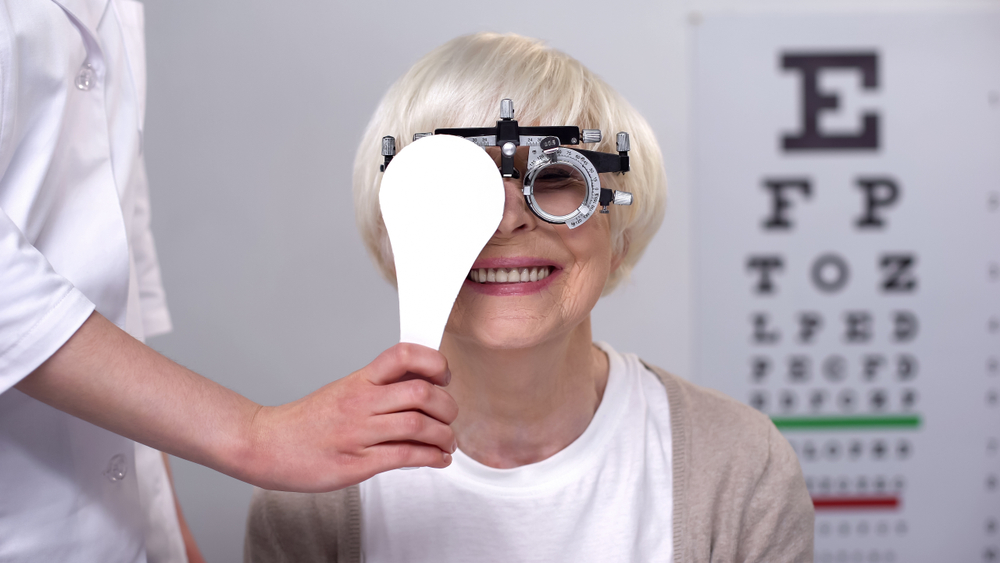
If you’re considering LASIK, it is important that you have realistic expectations. Most people who undergo the procedure will have good or even excellent vision in many situations for many years to come. You could swim, play sports or even just be able to see the clock when you wake up in the morning without needing to reach for your glasses or put in contact lenses. However, in low light conditions or as you get older, you may still need your glasses.
LASIK has high customer satisfaction reports, but there is minimal information about the long term results, since the data is not readily available or the effects have not been well studied. This is partly due to patients being satisfied after the surgery and feel no need for repeat examinations, so follow up data is not collected. Additionally, LASIK techniques and procedures have been refined over time with the technology continually changing, which makes it difficult to draw conclusions from the reported data.
Bear in mind that even if when the patient undergoes postoperative follow up and the data is reported, vision testing is done under optimal testing conditions. So, vision in dim light or less than optimal conditions may not be as good as the published reports suggest.
Over time, your refraction may worsen slowly with age, so your vision may not remain as good as it was following your surgery. This regression does not appear to be a massive problem, but the degree of change may be unpredictable.
Is LASIK Right For You?
Often, LASIK can offer improved vision without needing to bother with contact lenses or glasses. Generally, there is a very good chance that you will achieve 20/40 vision or greater after the procedure.
Studies show that over 8 out of 10 people who have undergone LASIK surgery no longer need to use contact lenses or glasses for most of their day to day activities. However, the results will depend on your specific refractive error and some other factors. If you have low grade nearsightedness, you will typically have the greatest success with the procedure. On the other hand, a high degree of nearsightedness or farsightedness along with astigmatism could produce less predictable results.
As we covered above, there are some circumstances and instances when you may need further surgery or your eyes slowly return to pre-surgery levels of vision. This can be due to factors such as pregnancy, an hormonal imbalance or issues with wound healing. Your change in vision may also be due to another eye issue, so you will need to discuss any vision changes with your doctor.
Ultimately, you will need to think about your specific circumstances, preferences and expectations. If you’re considering LASIK, it is important to discuss it with your eye doctor, who can not only determine if you’re a good candidate, but answer any questions you may have about expectations and potential issues.
You will also need to assess whether LASIK will be covered by your healthcare insurance provider or if you will need to pay out of pocket. The cost of the procedure and aftercare can add up, so you should be fully informed about the expense before beginning the journey. However, if you’re feeling frustrated with your contact lenses or have issues with your glasses, LASIK is certainly worth considering.