Unexpected home repairs can place a significant financial strain on families—especially when the issue affects safety, heating or cooling, or the structural integrity of the home. What many homeowners don’t realize is that there are federal, state, and local assistance programs designed specifically to help cover the cost of critical home repairs and upgrades. If you need help paying for repairs, there are government-backed options available.
Why Government Home Repair Assistance Exists
Government-funded home repair programs exist to ensure that low-income households can live in safe and healthy environments. These benefits are not for cosmetic upgrades—they are intended to address hazards, major system failures, and essential improvements that protect long-term habitability. Assistance may come as grants, low-interest loans, or a combination of both.
Millions of Americans qualify every year, yet most people don’t realize these programs are available. Understanding your options can make essential repairs far more affordable or even fully covered.
Top Government Programs for Home Repair Assistance
USDA Single Family Housing Repair Loans & Grants (Section 504)
This program is one of the most widely used for rural homeowners.
- Grants up to $10,000 for very low-income homeowners
- Loans up to $40,000 with a low 1% interest rate
- Designed for essential repairs, safety hazards, energy improvements, and accessibility upgrades
- Must live in an eligible rural area and meet income requirements
- Homeowners aged 62+ may qualify for grant funding that does not need to be repaid
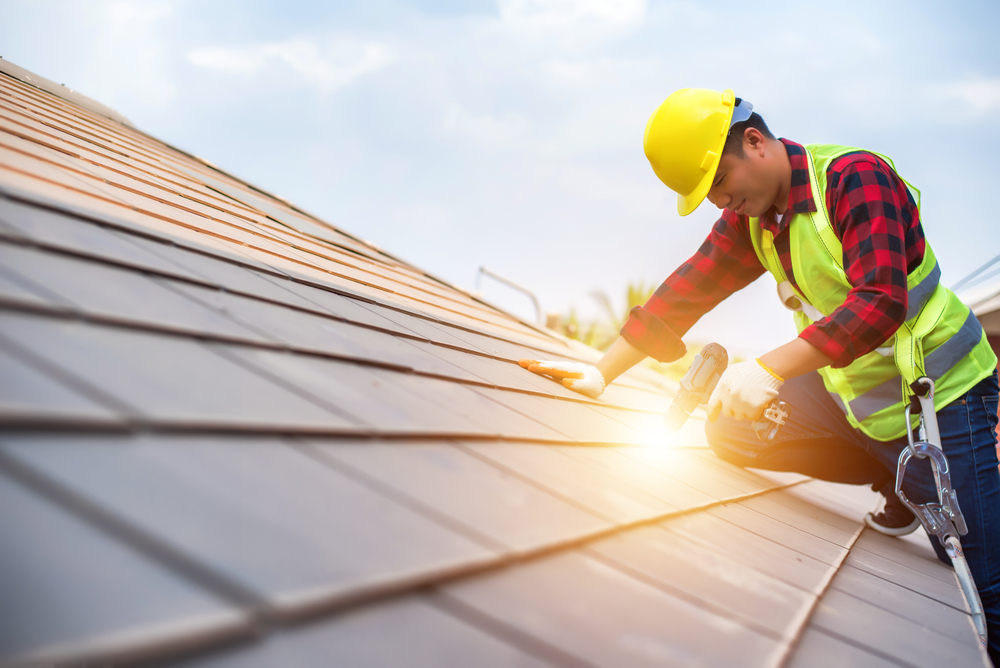
This program is often used to repair roofing, plumbing, electrical systems, or structural issues.
HUD Home Repair and Rehabilitation Grants
The US Department of Housing and Urban Development funds community programs nationwide offering repair and safety assistance. The specific benefits vary by city or county but may include:
- Emergency repairs
- Weatherization upgrades
- Health and safety improvements
- Aging-in-place modifications
To access HUD programs, homeowners apply through their local housing authority or community development office.
Weatherization Assistance Program (WAP)
WAP is a federally funded program that helps low-income families reduce energy costs by improving home efficiency. Eligible households may receive several benefits.
- Insulation upgrades
- Air sealing
- Heating and cooling system repairs
- Electrical system improvements that affect energy use
- Window and door upgrades
This program does not require repayment and can significantly lower utility bills.
Low-Income Home Energy Assistance Program (LIHEAP)
LIHEAP primarily helps with utility bills, but many states also offer repair assistance for critical heating and cooling systems.
- Broken furnaces
- Unsafe boilers
- Failing air conditioning units
Eligibility is based on income, household size, and state guidelines.
State and County Home Repair Programs
Most states, counties, and municipalities offer their own support programs. These vary widely but often include common benefits.
- Senior home repair funds
- Veterans’ home modification programs
- Emergency repair grants
- Disability-related accessibility upgrades
- Lead, mold, and asbestos remediation assistance
Award amounts and requirements differ, so contacting your local housing office is the best first step.
Who Qualifies for Government Home Repair Help?
Eligibility depends on the program, but homeowners often qualify if they meet one or more of the following.
- Household income below federal or state limits
- Property is the primary residence
- Home is located in an eligible rural area (for USDA programs)
- Applicant is age 62+ (for certain grants)
- Repairs are needed to address health, safety, or structural concerns
Many homeowners mistakenly assume they won’t qualify, but programs are designed to support those who truly need help—including seniors and families facing financial hardship.
How to Apply for Home Repair Assistance
1. Identify Programs You May Be Eligible For
- Visit your state housing department website
- Check USDA rural eligibility maps
- Contact your local community development office
2. Gather Required Documentation
- Proof of income
- Proof of homeownership
- Recent utility bills
- Photos or descriptions of the repair issue
3. Submit Your Application
Some applications may be completed online, while others require mailing documents or visiting an office in person.
4. Schedule an Inspection (If Required)
Many programs send an inspector to verify the repair needs before approving funding.
5. Receive Financial Assistance or Contractor Support
Depending on the program, you may receive direct funding or be connected with approved contractors who complete the work.
The Bottom Line
If home repairs are becoming unaffordable, you may not need to shoulder the costs alone. Federal, state, and local government programs offer grants, loans, and energy-saving upgrades to help low-income households, seniors, and rural homeowners maintain safe and livable homes. Spending a few minutes exploring your eligibility could unlock essential support that protects your home and improves your quality of life.