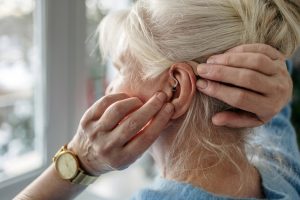
Have you or someone you love been affected by hearing loss—and wondered whether joining a clinical trial could provide access to new care options? Hearing loss clinical studies are enrolling participants nationwide. By joining a clinical trial, you can help researchers better understand and develop treatments for hearing loss and related conditions — while often receiving compensation for your time, free medical evaluations, and access to cutting-edge research efforts.
Hearing loss research is moving fast. Studies range from better hearing devices and rehab programs to medications and gene therapy approaches for specific forms of hearing loss. Participating can help researchers develop better prevention, diagnosis, and treatment options—while also giving you access to specialized evaluations or interventions that may not be widely available yet.
Here’s a practical, U.S.-focused guide to benefits, how to find open studies online (with links), how enrollment works, and what compensation may look like.
What hearing loss clinical trials can include
“Hearing loss clinical trials” is a broad category. You may see studies involving other areas as well.
- New medications or biologic therapies (including investigational approaches for certain genetic forms of hearing loss)
- Device research (hearing aids, cochlear implants, implant programming, next-gen assistive tech)
- Tinnitus-related studies (often overlaps with hearing loss research)
- Hearing rehabilitation (auditory training, speech-in-noise training, tele-audiology programs)
- Prevention and risk-factor studies (age-related hearing loss, noise exposure, ototoxic medication effects)
- Diagnostic studies (new hearing tests, imaging, digital screening tools, biomarkers)
Some trials are fully in-person at medical centers, while others include remote components (online questionnaires, app-based tests, telehealth visits).
Benefits of joining a hearing loss study
- Access to hearing specialists and research teams focused on your condition
- Study-related evaluations or testing (for example, detailed audiology assessments)
- Potential access to new interventions or technology not yet widely available (trial-dependent)
- Helping advance research that could improve hearing care for others
The National Institute on Deafness and Other Communication Disorders (NIDCD) explains what clinical studies are and how people can participate, including hearing-focused research.
Important considerations before joining
It’s also important to keep expectations realistic.
- Not all studies offer direct personal benefit (some are observational)
- Some trials involve comparison groups or placebos (for drug trials)
- Time commitments vary widely (one-time study vs. ongoing visits)
- Certain studies require specific hearing-loss types, test results, or age ranges
A reputable study will walk you through risks, time requirements, and alternatives during the informed-consent process.
Where to find open hearing loss clinical trials online (U.S.)
These are reliable places to search for recruiting hearing loss studies.
1) ClinicalTrials.gov (largest public registry)
Use filters like “Recruiting” or “Not yet recruiting,” and other search terms.
- “hearing loss”
- “sensorineural hearing loss”
- “sudden hearing loss”
- “age-related hearing loss”
- “tinnitus” (if relevant)
ClinicalTrials.gov also provides a simple guide on how to search effectively.
2) NIDCD (NIH) clinical studies info
NIDCD maintains information for potential volunteers and points to studies conducted at NIH and across the country in hearing and communication disorders.
3) NIH “Finding a clinical trial” guide
NIH’s overview explains what ClinicalTrials.gov is used for and what info it contains (purpose, eligibility, locations, contact details).
4) ResearchMatch (volunteer matching service)
ResearchMatch is a free, secure platform used by many research institutions to connect volunteers with studies, including hearing-related trials.
How enrollment typically works (step-by-step)
Most hearing loss studies follow a similar path.
Step 1: Shortlist a few studies that fit
When reading a listing, focus on a few key things.
- Condition type (sudden vs. gradual, age-related vs. genetic, unilateral vs. bilateral)
- Eligibility requirements (age, hearing test thresholds, onset timing, device use)
- Location (and whether remote visits are possible)
- What the study involves (medication, device fitting, training sessions, imaging, etc.)
Step 2: Contact the study team
ClinicalTrials.gov listings include contact info. You can call/email and ask if they’re currently screening.
Step 3: Pre-screening (often by phone)
Questions to Expect
- When hearing loss started and how it was diagnosed
- Any recent hearing tests (audiograms)
- Current devices (hearing aids/cochlear implants) and medications
- Medical history and noise exposure history
- Your availability and ability to travel (if required)
Step 4: Informed consent
What You’ll Review
- Visit schedule and procedures
- Risks/side effects (if any)
- What costs are covered
- Privacy protections
- Your right to stop participating at any time
Step 5: Baseline testing and enrollment
Common baseline steps include audiology testing, questionnaires, and sometimes imaging or labs—depending on the study.
Potential compensation: what to expect
Compensation varies by study, location, and what’s involved.
Common Forms
- Reimbursement for travel, parking, or mileage
- Stipends per visit or for completing study milestones
- Coverage for certain study-required tests
A legitimate study will clearly explain compensation and reimbursements during screening/consent. Be cautious if anyone asks you to pay a “fee” to participate.
Smart questions to ask before you join
- What is the main goal of the study (treatment, device, rehab, prevention, observational)?
- How many visits are required, and how long is each visit?
- Is there a placebo or comparison group (if it’s a treatment trial)?
- What procedures are involved (hearing tests, imaging, blood draws, etc.)?
- Are hearing aids/cochlear implants required—or excluded?
- What costs are covered by the study vs. billed to insurance (if any)?
- What compensation and travel reimbursement are offered?
- Who do I contact if I have side effects or concerns?
Quick safety checklist for legitimate hearing loss trials
- Start with trusted sources: ClinicalTrials.gov, NIH/NIDCD, ResearchMatch
- Confirm the sponsor/site is a known hospital, university, or research institute
- Review informed consent carefully
- Avoid “guaranteed cure” claims or pressure tactics
Links: where readers can find open hearing loss studies
- ClinicalTrials.gov search guide ClinicalTrials
- ClinicalTrials.gov home (database) ClinicalTrials
- NIH: Finding a clinical trial National Institutes of Health (NIH)
- NIDCD: Clinical Studies (info for volunteers) NIDCD+1
- ResearchMatch volunteer registry researchmatch.org