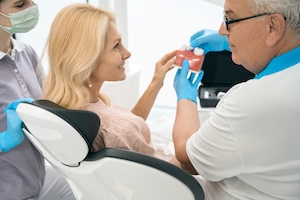
Dental implants have become one of the most trusted solutions for replacing missing or damaged teeth, offering long-term durability, natural appearance, and improved oral function. But not everyone knows that clinical trials can make these treatments more accessible—sometimes significantly reducing the cost or even offering implants at little to no charge.
If you’re considering dental implants and want to explore innovative techniques, materials, or lower-cost care options, clinical trials may be worth your attention.
What Are Dental Implant Clinical Trials?
Clinical trials are research studies designed to test new medical devices, procedures, or treatment approaches before they become widely available. In the case of dental implants, trials may test a variety of innovations.
- New implant materials designed for stronger bonding
- Minimally invasive implant placement techniques
- Faster healing technologies
- Bone grafting alternatives
- Advanced 3D imaging or surgical planning tools
- Implant systems tailored for seniors or patients with low bone density
These studies are carefully monitored by licensed dental professionals, research institutions, and regulatory bodies like the U.S. Food and Drug Administration (FDA). Participants play an important role in advancing dental science while often receiving treatment at reduced or no cost.
Who Might Benefit from a Dental Implant Clinical Trial?
Clinical trials may be a good fit for people who meet certain criteria.
- Are missing one or more teeth
- Cannot afford traditional dental implant procedures
- Have been told they need bone grafting or more complex implant work
- Want access to the latest implant technologies
- Are comfortable with structured follow-ups and examinations
Eligibility depends on the specific study, and each trial has its own criteria related to age, health history, dental structure, smoking status, bone density, or previous dental work.
Benefits of Participating in a Dental Implant Clinical Trial
Participating in research offers several potential advantages.
- Reduced or no cost for implant treatment
- Care provided by experienced implant specialists and dental researchers
- Access to next-generation technology and methods
- Close monitoring and follow-up care
- Helping advance future dental care for others
Participants should always review the study details carefully, including potential risks, expected outcomes, and required time commitments.
Are There Risks?
Like any medical or dental procedure, clinical trials involve potential risks, such as implant failure, side effects from materials being studied, or longer healing periods. However, trials go through strict review processes and are supervised by trained dental professionals and ethical review boards. You will be fully informed of risks before consenting.
How to Find Clinical Trials for Dental Implants Near You
Finding a dental implant clinical trial in the U.S. is easier than most people realize. There are some key places to start.
1. ClinicalTrials.gov
This is the official federal database of ongoing and upcoming clinical trials in the United States.
How to Use It
- Visit ClinicalTrials.gov
- Search “dental implants”
- Filter by Recruiting or Active, not recruiting
- Filter by your state or ZIP code
Listings include eligibility requirements, study locations, and contact information.
2. Dental Schools and Universities
Many dental schools conduct implant research because they have the faculty, funding, and facilities to test emerging technologies. Schools often seek volunteers for studies involving tooth replacement, bone grafting, imaging techniques, and implant materials.
Top Places to Check
- University-based dental research clinics
- Local dental school websites
- Student implant clinics (which may offer reduced-cost options even outside trials)
Common Examples
- University of Michigan School of Dentistry
- NYU College of Dentistry
- UCLA School of Dentistry
- University of Florida College of Dentistry
- Harvard School of Dental Medicine
3. Specialized Implant Centers
Some private implant centers partner with implant manufacturers or research groups to host trials on new devices or methods.
What to Search For
- “Dental implant clinical trial near me”
- “Implant research programs”
- “Dental implant study volunteer opportunities”
You’ll often find regional programs or national organizations recruiting participants.
4. Your Dentist or Oral Surgeon
Your current dental provider may know of current opportunities.
- Ongoing research studies
- University partnerships
- Local specialists participating in implant trials
Dentists often receive notices about clinical research opportunities in their region.
How to Enroll in a Dental Implant Clinical Trial
If you find a study that interests you, enrollment generally follows a clear process.
- Initial Inquiry
Contact the study coordinator listed in the trial description. They’ll help determine whether you might qualify. - Pre-Screening
You may answer questions about your dental history, health conditions, or prior treatments. - Consultation and Evaluation
If you pass pre-screening, you’ll have an in-person exam, including imaging and dental assessments. - Informed Consent
You’ll review all details of the study—including risks, benefits, procedures, and time commitments—before deciding whether to participate. - Treatment and Follow-Ups
Once enrolled, you’ll receive treatment according to the study protocol, with scheduled check-ins to monitor progress.
Tips for Choosing the Right Trial
- Review all eligibility criteria carefully
- Ask what costs are covered (implants, extractions, imaging, follow-ups)
- Understand your time commitment
- Ask about expected outcomes and success rates
- Make sure the study team includes licensed dentists or oral surgeons
- Read all consent documents thoroughly
Clinical trials can offer an excellent pathway to more affordable, high-quality implant care—but only if the study is the right fit for your needs and comfort level.
Consider A Dental Implant Clinical Trial Today
Dental implant clinical trials give everyday Americans a unique chance to access advanced dental treatments while contributing to the future of oral health research. Whether you’re looking to reduce the cost of care or explore the latest innovations, trials hosted by universities, dental clinics, and research institutions may provide the opportunity you’ve been seeking.
If you’re ready to explore options, start by browsing ClinicalTrials.gov, checking with local dental schools, or asking your dentist about research programs in your area. With the right information, you can find a trial that aligns with your dental goals and helps you move toward a confident, healthy smile.