
Have you ever wondered how new diabetes treatments move from scientific concept to everyday care? Clinical trials are the quiet engine behind many of the medications, devices, and care strategies used today. For individuals living with diabetes, participation in a trial can offer access to emerging therapies, close medical supervision, and the opportunity to contribute to advances that may reshape future treatment options.
Clinical trials also provide a structured environment where researchers and participants work together toward a clearer understanding of the condition. While participation involves commitment and careful evaluation, many people find that the experience brings both personal insight and a sense of contribution to medical progress.
Understanding How Diabetes Clinical Trials Work
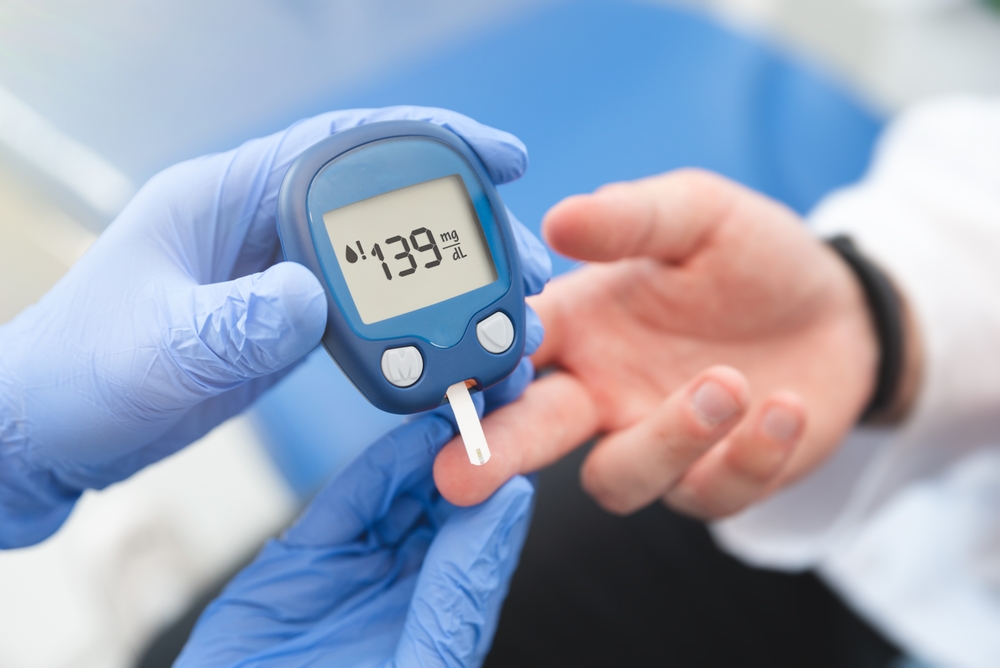
Diabetes clinical trials are carefully designed research studies that evaluate new medications, technologies, lifestyle interventions, or treatment strategies intended to improve disease management. These studies are conducted under strict ethical and scientific standards, ensuring that participant safety and data integrity remain central priorities.
Most trials progress through several phases. Early stages focus on safety and dosage, while later phases examine effectiveness across larger groups of participants. Throughout the process, researchers monitor how a treatment influences blood glucose levels, metabolic markers, long-term health outcomes, and quality of life.
Participants are not simply subjects of observation. They become active contributors to scientific understanding, helping researchers determine whether a new therapy meaningfully improves daily management of diabetes. This collaborative model allows medical innovation to move forward while maintaining careful oversight at every step.
Why Participation Can Offer Meaningful Benefits
For many individuals, one of the most compelling aspects of clinical trials is the opportunity to explore treatments that have not yet become widely available. These therapies may represent new approaches to blood sugar regulation, improved insulin delivery systems, or medications designed to reduce complications associated with diabetes.
Equally important is the level of medical attention that often accompanies participation. Clinical trials typically involve frequent check-ins, laboratory testing, and consultations with specialists who closely monitor health changes over time. This heightened level of observation can provide valuable insights into personal diabetes management.
Beyond potential medical benefits, participants often describe a deeper sense of purpose. Contributing to research that may help future patients adds a meaningful dimension to the experience. The progress seen in diabetes care over recent decades has relied heavily on individuals willing to take part in carefully supervised research.
What Participants Often Gain From Joining
- Access to investigational medications or devices under professional supervision
- Regular health monitoring and laboratory assessments
- Consultations with medical researchers and diabetes specialists
- Detailed insights into personal health data and treatment response
- Financial compensation or reimbursement in some research programs
The Screening And Enrollment Process
Before joining a diabetes clinical trial, individuals typically undergo a screening phase designed to determine whether the study is an appropriate fit. Researchers evaluate several factors, including current health status, type of diabetes, treatment history, and any existing medical conditions that might influence study results.
This process ensures that each trial includes participants whose health profiles align with the research goals. While some studies focus on newly diagnosed individuals, others may seek participants who have managed diabetes for many years or who experience particular complications.
During screening, potential participants receive detailed information about the study’s purpose, procedures, and possible risks. This informed consent process allows individuals to ask questions and make thoughtful decisions about whether participation aligns with their personal circumstances and comfort level.
What Participation Typically Involves
Once enrolled, participants follow a structured research schedule that may include clinic visits, laboratory testing, medication administration, and health monitoring over a defined period. The exact requirements depend on the study’s design and the type of treatment being evaluated.
Some trials investigate medications that influence insulin sensitivity or glucose metabolism, while others examine devices such as continuous glucose monitoring systems or advanced insulin delivery technologies. Lifestyle intervention studies may explore diet, exercise, or behavioral strategies that improve metabolic control.
Although each study differs, the overall experience tends to combine routine medical assessments with data collection that helps researchers understand how a treatment performs in real-world conditions. Participants remain closely connected to the research team throughout the study, ensuring questions and concerns can be addressed promptly.
Common Activities During A Study
- Scheduled clinic visits for physical exams and lab testing
- Monitoring blood glucose levels using study equipment
- Recording symptoms, diet, or activity in research journals
- Receiving investigational medications or devices
- Meeting regularly with research staff for progress evaluations
Safety Oversight And Participant Protections
Clinical trials operate within strict ethical and regulatory frameworks designed to protect every participant. Independent review boards evaluate study protocols before research begins, ensuring that the scientific goals justify any potential risks and that safeguards are clearly defined.
Participants also retain the right to withdraw from a study at any time. If new information emerges that could affect safety or treatment outcomes, researchers are required to inform participants promptly. These protections ensure that individuals remain fully aware of developments throughout the study period.
In addition, trials include extensive monitoring procedures. Researchers track side effects, evaluate health markers, and adjust protocols when necessary. This careful oversight helps ensure that participant well-being remains the central priority while valuable medical knowledge continues to develop.
The Role Participants Play In Advancing Care
The treatments used to manage diabetes today—from refined insulin therapies to sophisticated glucose monitoring technologies—exist largely because individuals volunteered for earlier clinical trials. Each participant contributes a small but meaningful piece of evidence that helps researchers understand how new therapies function in real life.
For many people living with diabetes, joining a clinical trial represents more than a personal health decision. It becomes an opportunity to support scientific progress that may benefit millions of others facing similar challenges.
Ways Participation Contributes To Future Treatments
- Providing real-world data on how therapies affect blood sugar control
- Helping researchers identify side effects or safety considerations
- Improving understanding of how treatments perform across diverse populations
- Supporting the development of new technologies for glucose monitoring and insulin delivery
- Guiding future research directions in diabetes care
Where Progress In Diabetes Care Quietly Begins
Clinical trials are often where the future of diabetes treatment first takes shape. Long before a new medication reaches everyday clinical practice, it is tested, refined, and carefully evaluated through the participation of individuals willing to contribute their time and experience. Each study represents a step in a longer scientific journey that moves treatment options forward.