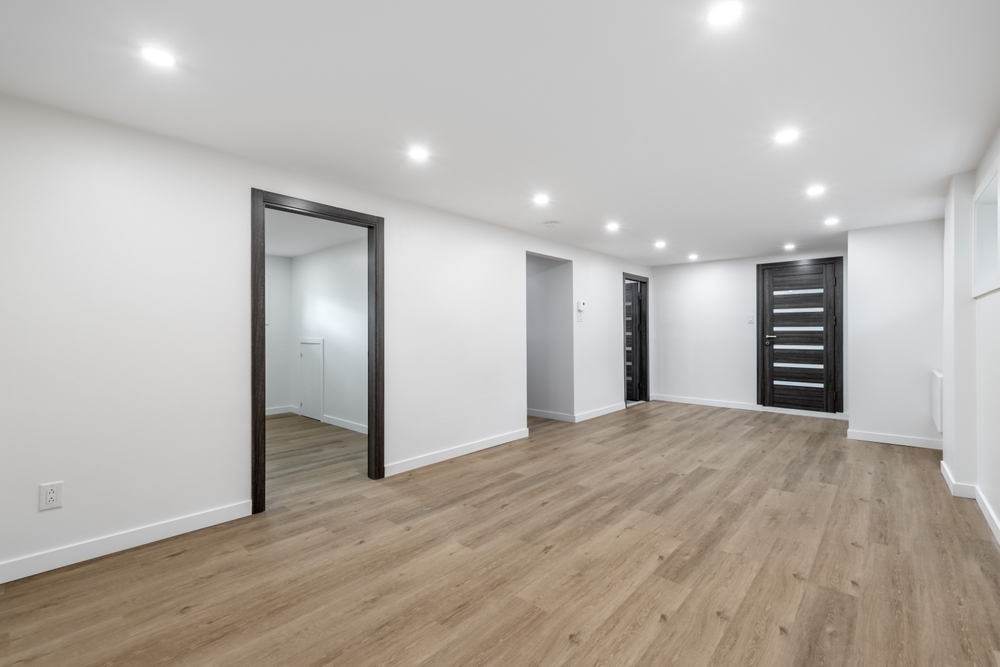
Thinking about transforming your basement in 2026 but not sure where to begin? A well-planned basement renovation can dramatically increase your usable living space, boost home value, and adapt your home to changing needs. Whether you’re finishing an unfinished basement or upgrading an outdated one, there are some steps you can take to ensure your renovation stays on track from start to finish.
Step 1: Define the Purpose of Your Basement
Before any materials are selected or contractors contacted, decide how you want to use your basement. The function of the space will influence every design and construction decision.
Common Basement Renovation Ideas
- Family or entertainment room
- Home office or remote workspace
- Guest bedroom or in-law suite
- Rental or income unit
- Home gym or hobby space
- Storage with upgraded organization
Clarifying your goal early helps prevent costly changes later.
Step 2: Set a Realistic Budget for 2026
Basement renovation costs vary widely depending on square footage, finishes, plumbing needs, and structural work. In 2026, rising labor costs and material pricing make early budgeting especially important.
Your budget should account for some key things.
- Framing, insulation, and drywall
- Flooring and ceiling finishes
- Lighting and electrical work
- Plumbing (if adding a bathroom or wet bar)
- Waterproofing or moisture control
- Permits and inspections
- A contingency fund for unexpected issues
A clear budget helps you prioritize features and make informed tradeoffs.
Step 3: Address Moisture, Insulation, and Safety First
Basements present unique challenges that must be addressed before cosmetic upgrades begin. Moisture control, insulation, and safety measures are critical to long-term success.
Considerations
- Waterproofing walls and floors
- Proper drainage or sump pump systems
- Insulation that meets local building codes
- Egress windows for bedrooms
- Smoke detectors and ventilation
Skipping these steps can lead to mold, damage, or failed inspections down the line.
Step 4: Choose the Right Layout
Basement layouts should maximize usable space while accommodating structural elements like support columns, low ceilings, and mechanical systems.
Considerations
- Ceiling height and lighting placement
- Traffic flow between rooms
- Storage and utility access
- Soundproofing between spaces
- Natural light availability
A professional designer or contractor can help optimize the layout and ensure code compliance.
Step 5: Select Durable, Basement-Friendly Materials
Material selection is especially important in below-grade spaces. In 2026, homeowners are favoring moisture-resistant, durable, and low-maintenance materials.
Popular Basement Material Choices
- Flooring: Luxury vinyl plank, tile, or sealed concrete
- Walls: Mold-resistant drywall or wall panel systems
- Ceilings: Drop ceilings, drywall, or exposed finishes
- Lighting: Recessed lighting and layered light sources
Choosing basement-appropriate materials helps protect your investment long term.
Step 6: Hire the Right Basement Renovation Experts
The success of your basement renovation depends heavily on the professionals you hire. Look for contractors with experience specifically in basement projects.
Contractor Considerations
- General contractors
- Basement renovation specialists
- Electricians and plumbers
- Waterproofing experts
- Designers or architects (for major remodels)
Hiring Considerations
- Get multiple estimates
- Verify licensing and insurance
- Review recent basement projects
- Ask about timelines and warranties
Clear contracts and expectations reduce delays and surprises.
Step 7: Plan for Permits, Inspections, and Timelines
Most basement renovations require permits, especially when adding bedrooms, bathrooms, or rental units. Understanding the process ahead of time helps keep your project moving.
What To Prepare For
- Permit approvals and inspections
- Construction timelines that may shift
- Temporary disruptions in your home
- Access requirements for contractors
A detailed project plan helps manage expectations throughout the renovation.
Step 8: Final Walkthrough and Completion
Before closing out the project, complete a thorough walkthrough with your contractor to ensure all work meets your expectations and local codes.
Things To Check
- Flooring and wall finishes
- Electrical outlets and lighting
- Plumbing fixtures
- Ventilation and moisture control
- Safety features and exits
Addressing final issues promptly ensures your basement is move-in ready.
Start Planning Your Basement Renovation Today
A basement renovation in 2026 is one of the most effective ways to expand your living space and increase your home’s value. With careful planning, smart material choices, and trusted professionals, your basement can become a functional, comfortable extension of your home.