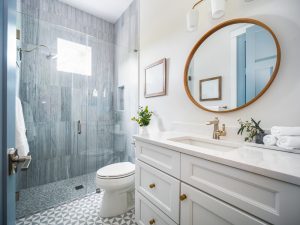
Planning a bathroom renovation in 2026? With rising home values, modern wellness trends, and smarter remodeling materials, more Americans are updating their bathrooms to boost comfort, safety, and resale value. Whether you’re dreaming of a spa-style retreat or simply upgrading outdated fixtures, a solid plan can make your remodel faster, smoother, and far more cost-effective.
Step 1: Set Your Budget and Renovation Goals
Before bringing in contractors or choosing tiles, determine what you want the renovation to accomplish.
Decide on your main goals
- Create a luxury spa bathroom
- Improve accessibility
- Replace old or damaged fixtures
- Increase home value before selling
- Add more storage or layout efficiency
Determine what you can spend
Bathroom renovations in the US typically range from $8,000 to $30,000+ depending on size, materials, and labor. Full luxury remodels can exceed $50,000. Setting your budget early helps guide every other decision.
Step 2: Measure Your Space and Plan Your Layout
Accurate measurements ensure that fixtures, cabinetry, and plumbing lines all fit correctly.
What To Measure
- Total room square footage
- Wall lengths and ceiling height
- Location of plumbing lines, drains, and vents
- Door swings and walk-in areas
- Shower/tub dimensions
Consider layout changes carefully
Changing plumbing locations (like moving a toilet or shower) can significantly increase costs. If you want to keep your budget in check, stick to the existing layout and focus on modernizing materials instead.
Step 3: Choose Your Materials for 2026
Modern bathroom materials offer better durability, water resistance, and design flexibility than ever before. Here’s a simplified guide to making smart choices.
Flooring Options
- Porcelain or ceramic tile – Affordable, waterproof, and ideal for heated flooring.
- Luxury vinyl plank (LVP) – Looks like wood/stone but fully water-resistant.
- Stone tile (marble, slate, travertine) – High-end appearance but requires more maintenance.
Shower & Bath Materials
- Acrylic or fiberglass inserts – Very affordable, fast installation.
- Tile showers – Customizable, durable, and great for resale value.
- Solid-surface panels (quartz, cultured marble) – Sleek, low-maintenance, and growing in popularity in 2026.
Countertops
- Quartz – Durable, non-porous, and a top bathroom trend.
- Granite – Natural stone with unique patterns.
- Solid-surface – Good mid-range, seamless appearance.
Vanity & Cabinetry
- Floating vanities for a modern, space-saving look.
- Solid wood or plywood construction for durability in humid environments.
- Soft-close hinges and drawer glides are now standard for upgraded bathrooms.
Fixtures & Hardware
- Matte black and brushed gold are trending finishes in 2026.
- Water-saving faucets and toilets help reduce utility costs.
- Smart mirrors, LED lighting, and touch-free faucets add convenience and value.
Step 4: Hire the Right Experts for Your Renovation
Choosing the right professionals can make or break your remodeling experience. Most US bathroom remodels involve at least two or three licensed experts.
Who You May Need
- General contractor – Manages the entire project, timeline, and subcontractors.
- Plumber – Handles pipes, drains, fixtures, and water lines.
- Electrician – Installs lighting, outlets, heated flooring, and ventilation.
- Tile installer – Ensures high-quality, waterproof tile work.
- Designer – Optional but helpful for choosing materials and layouts.
How to Choose the Right Contractor
- Verify the contractor’s state license and insurance.
- Ask for before-and-after photos of previous bathroom projects.
- Read online reviews from US sites like Yelp, Angi, and HomeAdvisor.
- Request at least three written quotes to compare pricing.
- Avoid unusually low bids—they often lead to shortcuts or added charges later.
Questions to Ask Before Hiring
- What is your estimated timeline?
- Do you offer warranties on workmanship?
- Who handles permits and inspections?
- Will you be using subcontractors?
Step 5: Get Necessary Permits
Most US cities require permits for bathroom remodels, especially if plumbing or electrical work is involved. Not securing permits can result in fines or problems when selling your home.
Permits are typically required for certain projects.
- New plumbing or repositioning fixtures
- Electrical upgrades
- Structural changes
- Adding ventilation systems
Your contractor often handles this, but always confirm upfront.
Step 6: Prepare Your Home for Renovation
Bathroom remodeling can be messy and disruptive, especially in homes with only one full bath.
Preparation Tips
- Create a temporary bathroom space if possible
- Protect floors with drop cloths
- Remove valuables or décor
- Expect noise and dust
- Plan for a 2–6 week timeline depending on project size
Step 7: Oversee the Installation Phase
During the renovation, stay engaged with your contractor to keep everything on track.
What To Monitor
- Waterproofing installation (especially for showers)
- Correct fixture placement
- Tile alignment and grouting
- Proper ventilation fan installation
- Outlet spacing and GFCI protection
Regular check-ins help prevent costly mistakes and rework.
Step 8: Final Inspection and Quality Check
Before making the final payment, complete a walk-through to ensure everything is finished correctly.
What To Check For
- Leaks under sinks and around toilets
- Smooth, uncracked grout
- Proper water pressure
- Even flooring with no gaps
- Correct lighting and outlet function
- Clean caulking and sealed surfaces
A reputable contractor will address any issues promptly.
Sample Bathroom Renovation Planning Table
| Step | What to Do | Key Considerations |
|---|---|---|
| 1 | Set your budget | Typical US range: $8k–$30k+ |
| 2 | Measure space & plan layout | Avoid major plumbing changes to reduce cost |
| 3 | Choose materials | Consider durability, water resistance, style |
| 4 | Hire experts | Verify license, insurance, reviews |
| 5 | Get permits | Required for plumbing/electrical work |
| 6 | Prep your home | Set up temporary bathroom if needed |
| 7 | Monitor installation | Check waterproofing, tile work, electrical |
| 8 | Do final inspection | Test fixtures, outlets, grout, flooring |
A bathroom renovation can significantly increase your home’s comfort, safety, and value. By planning early, choosing durable materials, and hiring qualified professionals, you can avoid costly setbacks and enjoy a modern, efficient bathroom that will last for decades.