
Have you ever wondered how the next generation of hearing technology is tested before reaching everyday users? Hearing aid clinical trials play a quiet but essential role in advancing how people experience sound. These studies invite volunteers to help evaluate emerging devices and treatment approaches while gaining insight into their own hearing health. Participation offers more than curiosity; it provides a chance to contribute to meaningful progress in auditory care.
The Purpose Behind Hearing Aid Clinical Trials
Hearing aid technology has evolved rapidly over the past two decades, moving from simple amplification to sophisticated digital systems capable of filtering noise, adapting to environments, and connecting with modern devices. Clinical trials are where these innovations are carefully evaluated before they become widely available. Researchers use these studies to determine whether new hearing technologies truly improve clarity, comfort, and usability.
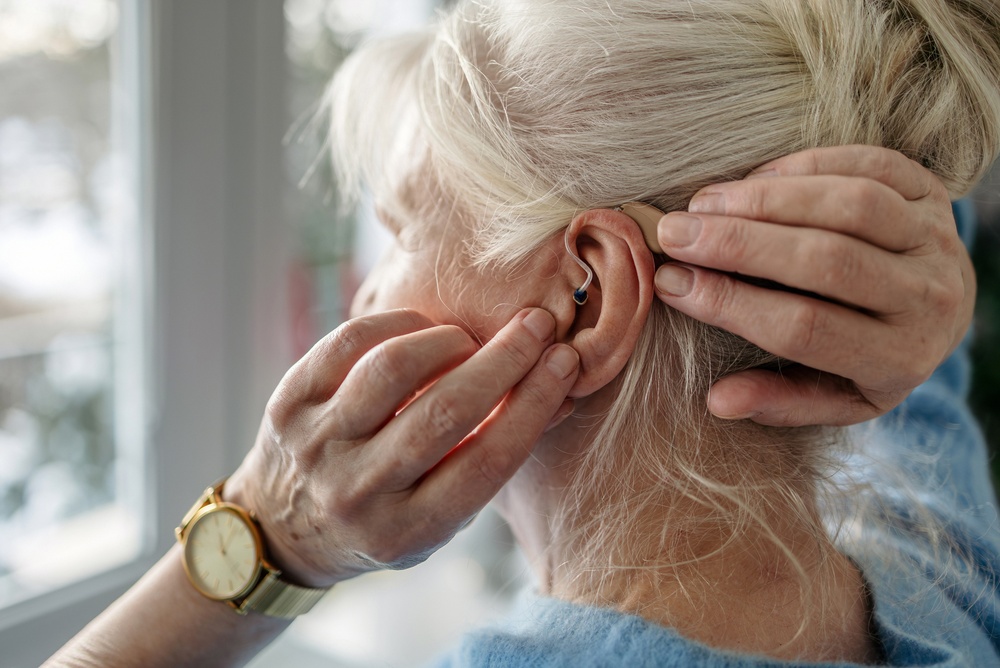
Participants play a central role in this process. Their experiences help researchers understand how devices perform in real-world situations, such as conversations in busy rooms or listening to speech across distances. Feedback gathered during trials shapes design improvements and ensures that new products meet practical needs rather than theoretical expectations.
For many volunteers, the process also provides a structured way to learn more about their hearing. Detailed testing and ongoing evaluations can offer insights that are not always available in routine appointments. While the primary goal of a trial is scientific understanding, participants often gain a deeper awareness of how hearing technologies work and how their hearing may change over time.
Why Some People Choose To Participate
For individuals experiencing hearing challenges, the idea of joining a clinical trial can carry a mixture of curiosity and hope. While these studies are not designed to guarantee personal benefits, many participants find value in being involved with research that explores new possibilities for hearing care.
Clinical trials also offer a structured environment where participants interact closely with hearing specialists and research professionals. This relationship can create a deeper sense of engagement with hearing health and provide access to detailed evaluations that might otherwise be difficult to obtain.
Potential Benefits That Participants Often Experience
- Access to emerging hearing aid technology still under evaluation
- Comprehensive hearing assessments conducted by specialized research teams
- Close monitoring and follow-up during the testing period
- Opportunities to provide feedback that influences future device design
- A sense of contribution to advances in hearing health and technology
What The Screening Process Typically Involves
Before joining a hearing aid clinical trial, potential participants usually go through a careful screening process. Researchers must ensure that volunteers meet specific criteria so that the results of the study remain reliable and meaningful. This evaluation helps determine whether a participant’s hearing profile matches the goals of the research.
Screening commonly begins with detailed hearing assessments conducted in controlled environments. These tests measure sensitivity to different frequencies and evaluate how well speech is understood in quiet and noisy conditions. Medical history and prior hearing aid experience may also be reviewed.
The process can feel thorough, but it serves an important purpose. By carefully selecting participants, researchers create a study group that reflects the type of hearing challenges the new technology is designed to address. For participants, the screening phase often becomes an informative introduction to their own hearing patterns and listening environments.
Common Steps In A Trial Screening Evaluation
- Comprehensive hearing tests performed in sound-controlled settings
- Review of hearing health history and prior device use
- Discussion of daily listening environments and communication needs
- Explanation of the study timeline and expectations
- Formal informed consent before participation begins
Daily Life During A Hearing Aid Trial
Once enrolled, participants typically begin using a study device or technology according to the research protocol. The experience often resembles everyday hearing aid use, but with additional check-ins and evaluations built into the schedule. These visits allow researchers to gather feedback and make adjustments when necessary.
Participants may be asked to wear the device during normal routines such as conversations, commuting, or social gatherings. Researchers are interested in understanding how the technology performs in the complexity of real life rather than in controlled laboratory settings alone.
During scheduled visits, participants might complete listening tasks, answer questionnaires about sound clarity, or discuss comfort and usability. These interactions help researchers gather both objective measurements and subjective impressions. Together, these perspectives create a fuller picture of how well the technology functions.
Typical Activities Participants May Encounter
- Wearing study hearing aids during daily activities
- Attending scheduled visits for hearing evaluations
- Completing listening exercises or speech recognition tasks
- Recording experiences in questionnaires or short surveys
- Providing feedback about comfort, sound quality, and usability
Understanding The Role Of Participant Feedback
While laboratory measurements are essential in hearing research, participant feedback often provides the most meaningful insights. Hearing is deeply personal, shaped by individual lifestyles, listening environments, and communication habits. What works well in theory must also work in everyday life.
Participants frequently describe how devices perform in places that matter most to them: conversations at home, busy restaurants, outdoor environments, or phone calls. These real-world experiences guide researchers toward improvements that might not appear during technical testing alone.
Feedback can also reveal subtle factors such as listening fatigue, ease of adjusting settings, or comfort during long periods of wear. These details influence how hearing aids are designed and refined. In many cases, the experiences of participants help determine whether a technology moves forward toward broader availability.
Types Of Insights Researchers Often Collect
- Personal impressions of sound clarity in different environments
- Comfort and fit during extended daily use
- Ease of adjusting volume or listening modes
- Performance during conversations with multiple speakers
- Listening effort in quiet versus noisy settings
Safeguards That Protect Participants
Clinical trials operate under strict ethical and scientific guidelines designed to protect everyone involved. Participants are informed about the purpose of the study, potential risks, and their right to withdraw at any time without penalty. Transparency is central to the research process.
Oversight committees review study designs before trials begin to ensure that safety and participant welfare remain priorities. Researchers also monitor participants closely throughout the study period, addressing concerns promptly and adjusting procedures when needed.
For participants, these safeguards create an environment where curiosity and contribution coexist with careful protection. Volunteers are not simply subjects of research; they are partners in a process designed to improve hearing care while respecting individual well-being.
Key Protections Within Clinical Research
- Independent review of study design by ethics committees
- Clear informed consent outlining expectations and rights
- Ongoing monitoring of participant comfort and safety
- The ability to withdraw from the study at any time
- Confidential handling of personal and medical information
A Quiet Contribution To Future Hearing Care
Hearing aid clinical trials rarely receive public attention, yet they quietly shape the future of auditory technology. Every improvement in sound clarity, comfort, and connectivity begins with careful testing and the willingness of volunteers to share their experiences.
Participants often leave these studies with more than technical knowledge about hearing aids. Many gain a stronger connection to their own hearing health and a deeper appreciation for the science behind everyday devices. At the same time, their involvement helps researchers refine technologies that may eventually support millions of people.
In that sense, volunteering for a hearing aid clinical trial becomes both a personal exploration and a meaningful contribution. Each participant helps transform emerging ideas into practical tools that make the world of sound clearer for others.